What's different this year?
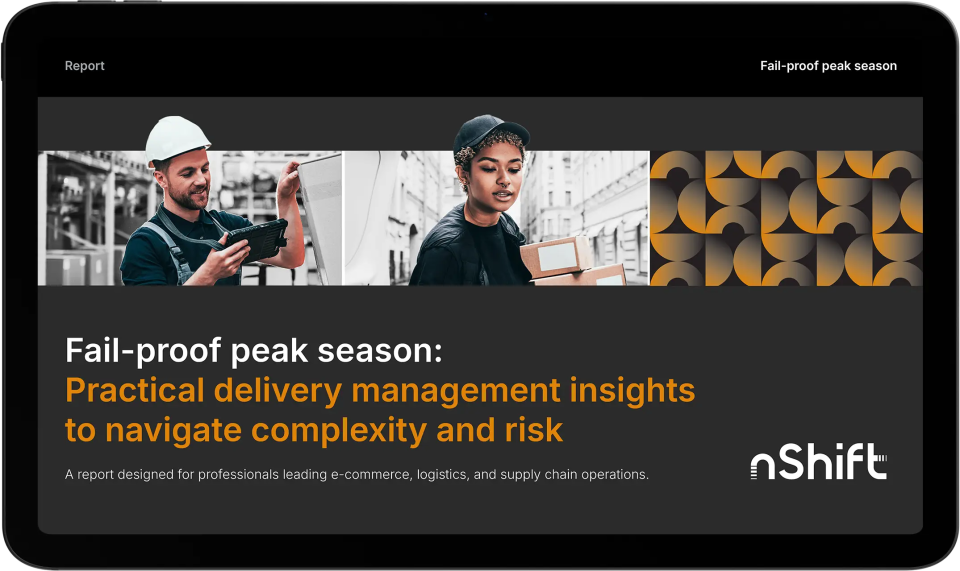
Peak season used to follow a script. Black Friday spiked, Christmas rushed in, and January brought the returns. Today, that script has been rewritten.
Ecommerce demand spreads earlier and runs longer. Carriers are at breaking point. Shoppers expect choice, speed, and transparency at checkout. And they notice when promises slip.
What’s emerging is a new dividing line: retailers who treat delivery as a cost centre, and those who turn it into a growth engine. The signals are here. The question is: which side will you be on?
Last-mile concerns holding back international shoppers
A great last-mile delivery experience is as important for your international customers as for those closer to home.
According to DHL, shoppers buying from websites in other countries are concerned about:
- Longer delivery times (46%)
- Customs charges (43%)
- Returns costs (33%)
- Complex returns processes (32%)
How to stay ahead
Read our three strategies for successful international shipping.
Find out how apparel brand Stenströms boosted international shipments by over 150%.
Peak surcharges: an unwelcome seasonal gift from your carriers?
DHL has made headlines after announcing a €0.50 per-package surcharge for deliveries for the busiest weeks around Black Friday.
It’s by no means alone: many carriers across Europe are reviewing their rates to offset the growing cost of ecommerce fulfilment.
How to stay ahead
Do you have confidence your carriers won’t spring any unwelcome surprises on you? Read this blog to see if your carrier confidence is well-placed, or your strategy needs a rethink.
Online shoppers increasingly game returns policies
37% of online shoppers have spent more to get free delivery – then returned the extra items. This jumps to 48% for Gen Z shoppers.
How to stay ahead
Deliveries data can tell you if you have a returns fraud problem. Here’s what to look for, and how to tackle it.
Logistics gets “flex appeal”
Flexibility and precision equal resilience for supply chains in 2026. But getting both right is difficult. That’s the key message from global shipping giant Maersk, which has pinpointed five trends shaping warehousing and logistics over the coming year.
- Cost pressures and the need for flexibility
- Catering for shifts in sourcing
- Increasing returns and SKU complexity
- Customer expectations of speed and delivery precision
- From static models to real-time reactivity
How to stay ahead
The risks of things going wrong in the last mile are set to increase next year. Our mid-year trends report is your map and compass for building a delivery capability which flies when others falter.
Your delivery experience is your brand experience
85% of online shoppers won’t order again after a bad delivery experience. But that’s often exactly what happens, particularly during peak season.
How to stay ahead
The best delivery strategies help drive conversions, increase customer loyalty, cut costs, and build revenues. Getting there might be easier than you think.
Our delivery promise health check gives you a clear roadmap for action, whether you’re just getting started or an established player. It takes just two minutes to complete.
Carrier capacity crunches derail peak-season success
One in three UK shoppers experienced a problem with deliveries during peak ‘24. The root cause? Carriers which couldn’t cope with the increased demand.
How to stay ahead
Multi-carrier capability helps brands and retailers scale up to meet peak season demand. Learn more about how retailers can prevent peak-season delivery chaos.
Managing delivery management by hand may be technically possible but it’s a false economy. Buying off the shelf software offers far greater value. This guide explains why.
Is agentic commerce the next frontier of online shopping?
Amazon’s Buy for Me and Perplexity’s Buy with Pro mean shoppers get AI agents to do the heavy lifting for them – browsing, paying, arranging delivery – all from a prompt in an AI chat.
How to stay ahead
AI-enabled ecommerce is only as good as the data feeding it. Standardizing delivery data can help you push the next frontier of online shopping. Find out how.
Local retailers punch above their weight
According to ePost Global, two in three European shoppers prefer to buy from merchants based in the same country. But it’s often hard to tell if a retailer’s site is genuinely local, or a multinational masquerading as a local brand.
How to stay ahead
Retailers with strong local ties need to spell them out to customers. Last-mile logistics could be your secret weapon for local competitive advantage. Find out how.